
Investigadores
ABC-DS is committed to providing rapid public access to all data, clinical, cognitive and biomarker (fluid and imaging) data, and access to the biological samples for qualified scientific investigators, without embargo.


Why should I get involved in the research?
The Alzheimer Biomarker Consortium-Down Syndrome (ABC-DS) project is one of the world’s largest, most comprehensive longitudinal research initiatives to find biomarkers to track Alzheimer’s disease in people with Down syndrome.
A list of publications associated with ABC-DS data is available through:
Data Types
Common core measures, collected at multiple time points to support longitudinal analyses, include:

Medidas directas de memoria, pensamiento y funcionamiento diario.
tests of memory, visual spatial abilities, language, executive function, processing speed, mental status, and gait

Biomarcadores en sangre
a proteomics panel, a metabolomics panel, and an assay of plasma Aβ peptides—Aβ40, Aβ42, Aβ40/Aβ42 ratio, tau, and neurofilament light change protein, and in willing participants, cerebrospinal fluid (CSF) biomarkers.

Cuestionarios para familiares y cuidadores
queries on functional abilities, mental status, neuropsychiatric symptoms, and dementia screening

Estudios genéticos.
genome-wide association analysis focusing on variants in genes associated with Alzheimer’s and age at onset of Alzheimer’s and memory decline, and with individual differences in blood-based, imaging, and CSF biomarkers that are found to be associated with clinical disease progression including Aβ42, P181-tau, and total tau

Evaluaciones médicas y neurológicas.
personal and family health history, medication usage, and a brief physical and neurological examination

Donación de tejido cerebral
for people willing to participate in brain donation, neuropathology will be assessed to link to cognitive, neuroimaging and fluid biomarkers.

Biomarcadores observados en imágenes del cerebro
MRI-based measures of cortical thickness and volume, white matter abnormalities and microstructure and functional connectivity, as well as amyloid-, tau-, and FDG-PET
There will be three to four cycles of assessment, at approximately 16-month intervals, over the five-year study. However, some procedures will only be included in selected cycles.
Cohort Data
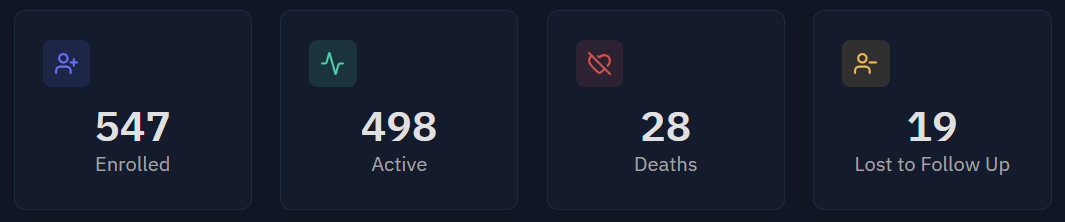
Recruitment and Retention
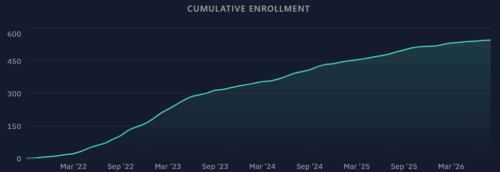
Cumulative Enrollment
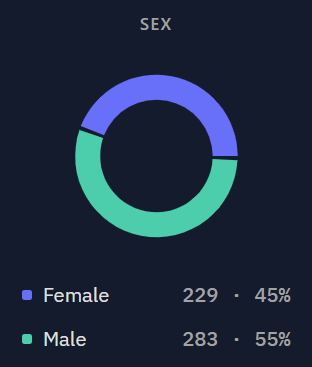
Participants Enrolled by Sex
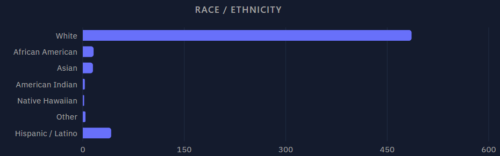
Participants Enrolled by Race and Ethnicity
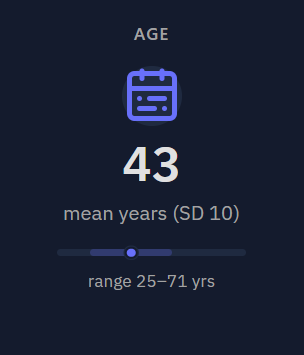
Enrolled Participants' Age

Data Dictionary
Details and information for the collected data and biospecimens can be found in the data dictionary.
View the Data Dictionary
How to Apply for Data Access
Data from the ABC-DS study is transferred to the Laboratory of Neuro Imaging (LONI), for harmonization, documentation and de-identification. Biospecimen samples are transferred and managed by the National Centralized Repository for Alzheimer’s Disease and Related Dementias (NCRAD) and an ABC-DS biospecimen bank. As of May 2021, data from the first and second wave of longitudinal data are available to researchers by requests.


Step 3
Your request will undergo committee review.

Step 4
Le notificaremos cuando su solicitud sea aprobada o si necesitamos más información.

Step 5
Una vez aprobada su solicitud, tendrá acceso a los datos del estudio a través de LONI.
